
Viking History You Can Actually Visit: A Museum-by-Museum Guide
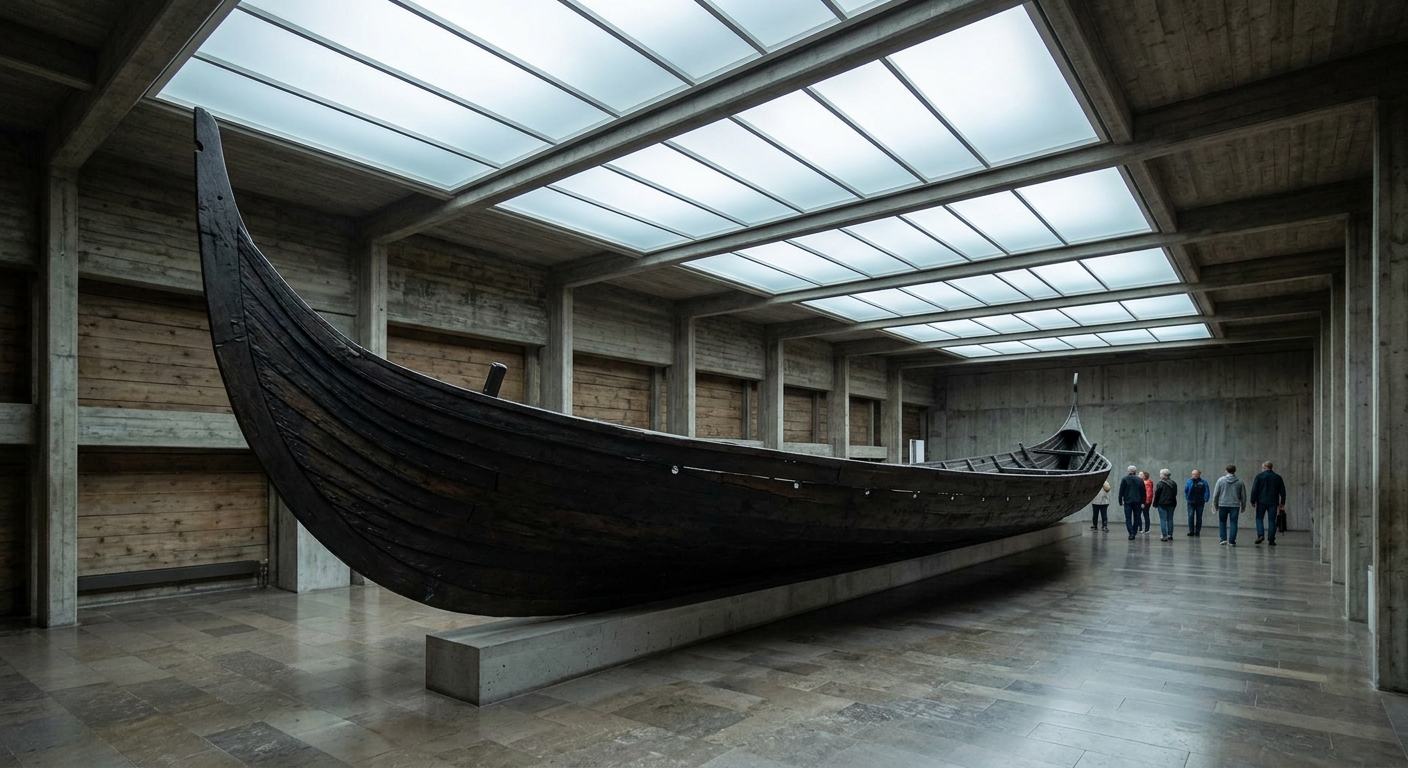
- Oslo holds the two essential stops: the original Viking ship burials, and the everyday-life artifacts that make sense of the ships once you've seen them.
- These are actual 9th-century vessels, not replicas — the preservation quality is the reason Norway's Viking sites matter more than similar museums elsewhere.
- Budget a half day for Oslo's Viking sites properly rather than rushing them into a single museum stop between other plans.
- Outside Oslo, Lofotr Viking Museum in Lofoten adds something the Oslo museums can't — a full-scale reconstructed chieftain's hall you can actually walk through.
- Most sites operate on reduced hours outside the May–September season.
Why the ships matter more than the label suggests
Most "Viking museum" experiences elsewhere in Europe involve reconstructions and interpretive displays — genuinely well done, but ultimately educated guesses at what things looked like. What makes Norway's sites different is that several of the actual ships survive: buried in clay-rich mounds nearly 1,200 years ago, excavated in the early 20th century, and preserved well enough that you're looking at the real timber a Viking crew actually sailed, not a scholar's best reconstruction of one.
That distinction is worth knowing before you go, because it changes what you're actually looking at. The scale of the hulls, the joinery, the wear patterns on the wood — this is physical evidence from the period, not an interpretation of it.
The essential sites, one by one
If you can only manage one stop, make it the Viking ship displays in Oslo — the concentration of preserved vessels there isn't matched anywhere else in the country.
Lofotr: the one reconstruction worth the detour
Lofotr Viking Museum, built around an actual Iron Age chieftain's farm excavated in Lofoten, takes the opposite approach from Oslo — instead of preserved originals behind glass, it's a full-scale reconstructed longhouse you walk into, with costumed interpreters and (in summer) live demonstrations. It's the site to visit if you want to feel the scale of Viking-age domestic life rather than just see the ships that carried it across the sea.
- Comfortable shoes — several sites, including Lofotr, involve outdoor walking between buildings
- A light layer even indoors — some historic halls run cooler than modern buildings for preservation reasons
- Time, not just a ticket — the ships alone deserve 45+ minutes of unhurried viewing, not a walk-through
- The burial-goods displays alongside the ships — grave contents tell you more about daily life than the hull itself
- Seasonal demonstrations at Lofotr — summer visits catch live blacksmithing and boat-building that winter visits simply won't have
- Reading the preservation story — how a 1,200-year-old ship survived is often as interesting as the ship itself